
Posts · J&K / Uttarakhand power projects
Dissolved gas analysis (DGA): what it tells owners of power transformers
Posted on by Jaybee Industries
The oil inside a power transformer carries a record of what is happening to its insulation. Dissolved gas analysis reads that record before a fault turns into a failure.
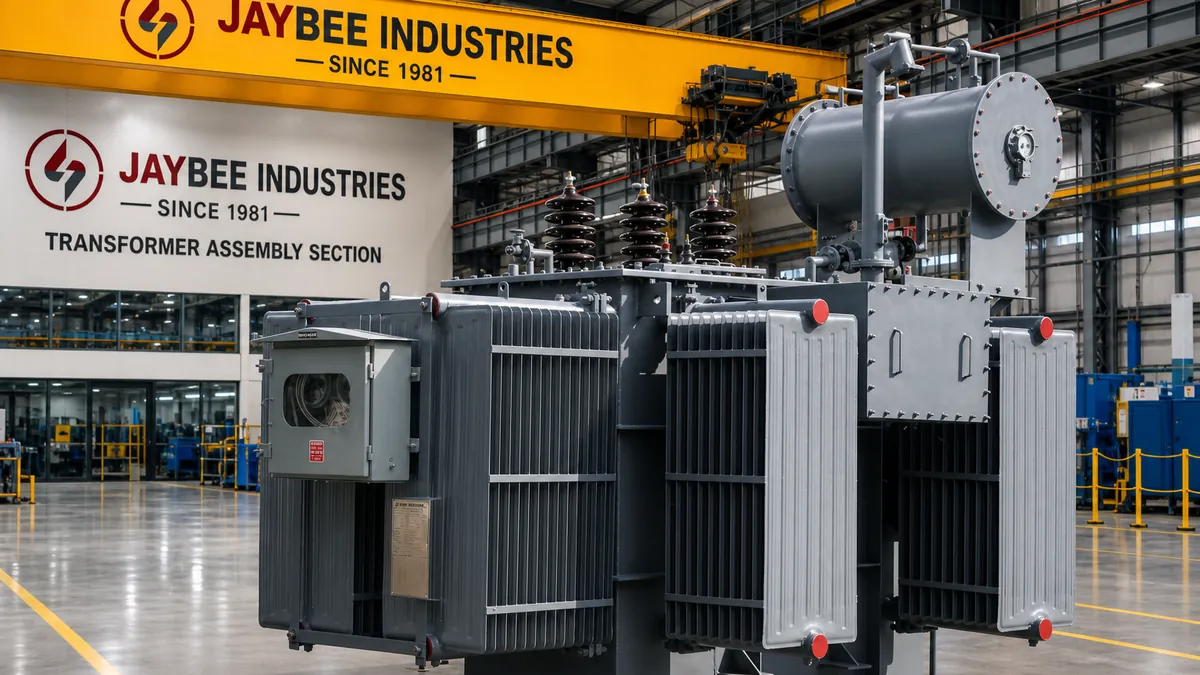
Power transformers in industrial plants, hydro stations, pumping schemes and utility substations are expensive and slow to replace. Most serious failures develop over months, with small internal faults producing gases that dissolve in the oil long before any alarm operates. Dissolved gas analysis, usually called DGA, measures those gases. Used properly, it is one of the most valuable condition-monitoring tools an owner has.
Where the gases come from
Transformer oil and cellulose insulation break down under electrical and thermal stress. Different kinds of stress produce different gases:
- Hydrogen is associated with partial discharge and many other fault types.
- Methane, ethane and ethylene indicate overheating of oil, with ethylene rising as temperatures increase.
- Acetylene generally points to arcing or very high-temperature faults and needs prompt attention.
- Carbon monoxide and carbon dioxide indicate the paper insulation is being heated or aged.
Interpretation methods published in recognised standards and guides compare the levels and ratios of these gases to suggest a likely fault type. Interpretation should be done by an experienced laboratory or engineer, not from a single number.
Sampling correctly
A poor sample makes the result meaningless. Samples should be taken from the designated sampling valve using clean, gas-tight syringes or bottles, without air bubbles, and sent to the laboratory promptly with details of the transformer, its load and the oil temperature at the time. Record where and how the sample was taken so later samples are comparable.
How often to test
A baseline DGA soon after commissioning gives a reference point. After that, many owners test periodically, for example once a year, with more frequent testing for critical units, older units or any unit that shows rising gases. Test after any event such as a through-fault, a Buchholz alarm or unusual noise.
Trends matter more than snapshots
Some gas is normal in a working transformer. What matters is the rate of increase. A stable level over several years is reassuring; a sudden rise, especially in acetylene or hydrogen, calls for a follow-up sample and closer investigation. Plot your results over time and keep them with the transformer’s records.
Acting on the results
Depending on the findings, actions range from more frequent sampling, to reducing load, to electrical tests and internal inspection. Combine DGA with oil quality tests such as moisture, breakdown voltage and acidity, and with electrical test results, before deciding. If you operate a Jaybee transformer, share the reports and our team can advise on the next step.
Building DGA into the specification
When buying a new power transformer, ask for an oil sampling arrangement that is accessible and for factory DGA results where your specification calls for them. For critical substations, online gas monitors can be considered.
We supply power transformers for projects in J&K, Uttarakhand and neighbouring regions. Offers are prepared on request; we do not publish prices.
Send your enquiry
Call toll-free 1800 309 9948, message us on WhatsApp at +91 98162 95407, or email info@jaybeeindustries.com. Mention this article and your site location so the right team responds. We reply with technical options; we do not publish prices, and every offer is prepared for your specification.
Related pages on this site
- Power transformers
- Manufacturing and testing
- Power transformer specification checklist
- Quality
- Send a power transformer RFQ
Request a quote Call 1800 309 9948 WhatsApp +91 98162 95407 info@jaybeeindustries.com